The plain answer
Is the Legend of Camel Bell show in Xi'an worth it?
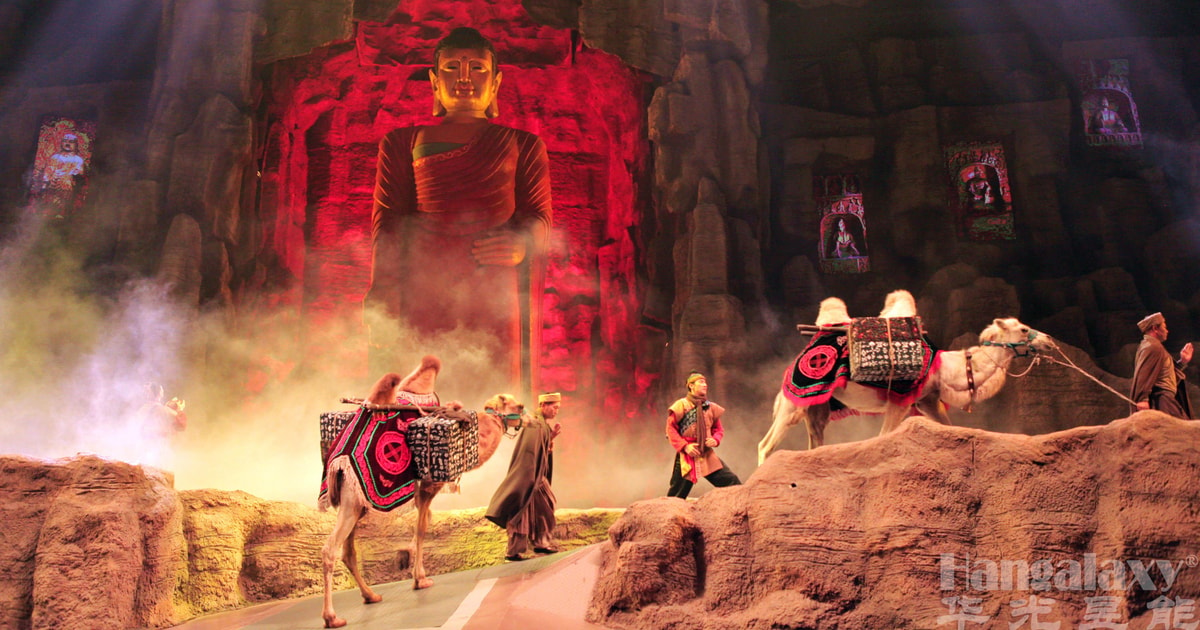
Yes for a visitor who wants one evening of Silk Road and Tang-dynasty storytelling in the city where that road began, and who is content to choose a seating zone instead of a seat. It holds a 4.9 from about 100 reviews, lists English captions and offers car pickup and drop-off. Reviewers mention live camels and trained wolves on stage. Skip it if you need a published running order, a fixed seat, or if you would rather keep your one free evening open.
Four points to weigh
A small sample, a high score
A 4.9 from about 100 reviews is encouraging, though it comes from a small group of travellers. The newest reviews carry the freshest impressions.
Zones are not seats
You choose VIP, premier or regular, and the theatre assigns seats at random inside that zone. The booking page does not publish a seating plan.
Animals are reported, not promised
Live camels and trained wolves come from reviewers. The listing itself does not describe the animals, so treat them as what travellers saw, not as a guarantee.
Papers and a driver
Passports and a hotel address are needed to book, and car pickup and drop-off options with a driver are offered. The car service is an option you add.
The road behind the stage
Seven pieces of the road behind the stage
A Silk Road show works with a real history. These seven panels set out the city, the envoy, the animal, the middlemen, the name, the Tang capital and a surviving pagoda, each from Wikipedia and attributed.
-
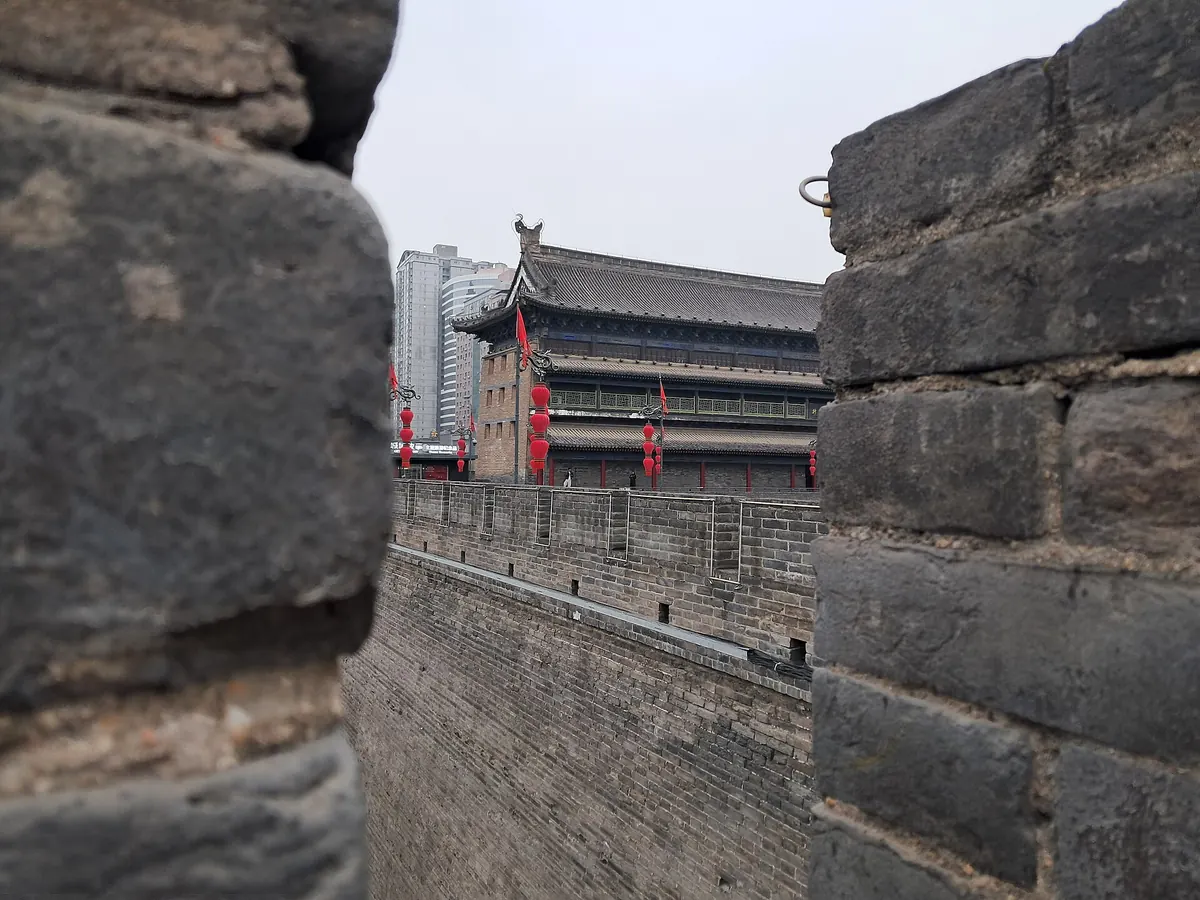
The Ming-era city wall of Xi'an. The capital
A capital at the eastern end of the road
Wikipedia says Chang'an, in today's Shaanxi Province, was the capital of several Chinese dynasties, including the Western Han and the Tang, from 202 BC to 907 AD. Its article on the city calls it the cosmopolitan eastern terminus of the overland Silk Road. The name Xi'an was adopted in 1369 under the early Ming dynasty.
-
The envoy
Zhang Qian rides west
Wikipedia describes Zhang Qian as a Han dynasty envoy whom the court sent to the Western Regions in 138 BC with a party of ninety-nine to seek an alliance against the Xiongnu. His missions are credited with expanding the Central Asian parts of the Silk Road around 114 BCE.
-
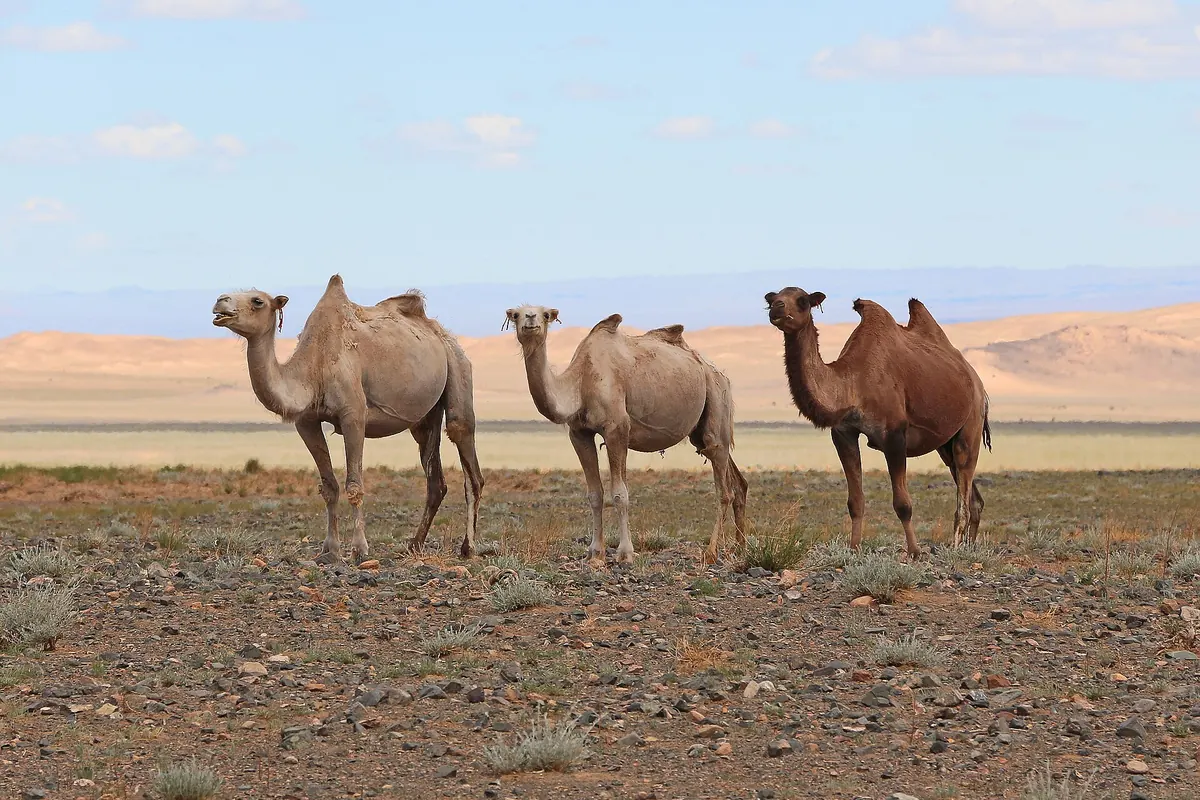
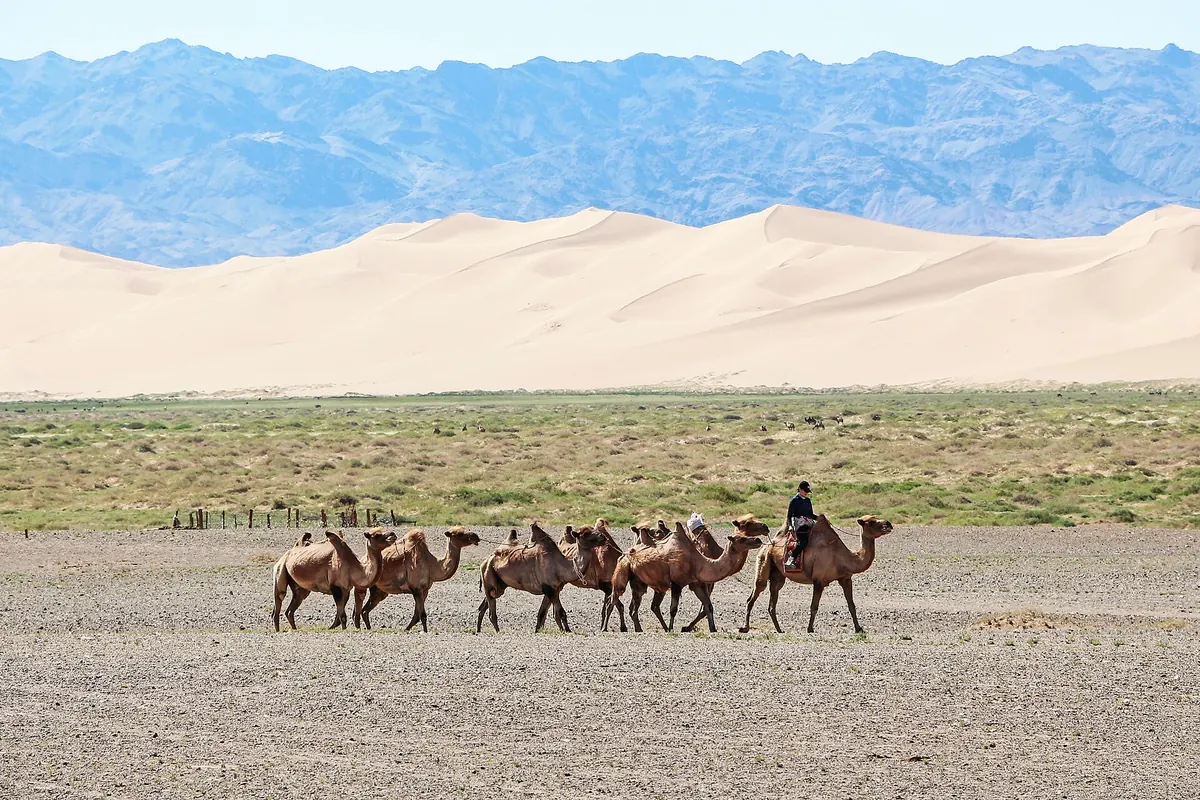
Bactrian camels on the Gobi plain. A visitor's photograph, not yours. The animal
Two humps and a long walk
Wikipedia says the domesticated Bactrian camel has served as a pack animal in inner Asia since ancient times, and that its tolerance for cold, drought and high altitude enabled the travel of caravans on the Silk Road. Its two humps are composed of fat, not water.
-
The middlemen
Sogdians carry the trade
Wikipedia says the Sogdians, an Iranian-speaking people from Central Asia, played an essential role as middlemen on the Silk Road, and that some rose to prominence in the military and government of the Tang. Two Sogdian tombs were found in Xi'an in the early 2000s.
-
The name
A road named late
The term Silk Road was coined in the late nineteenth century and popularised in 1877 by Ferdinand von Richthofen, according to Wikipedia. Some historians prefer Silk Routes, a web of land and sea routes, as a more accurate description.
-
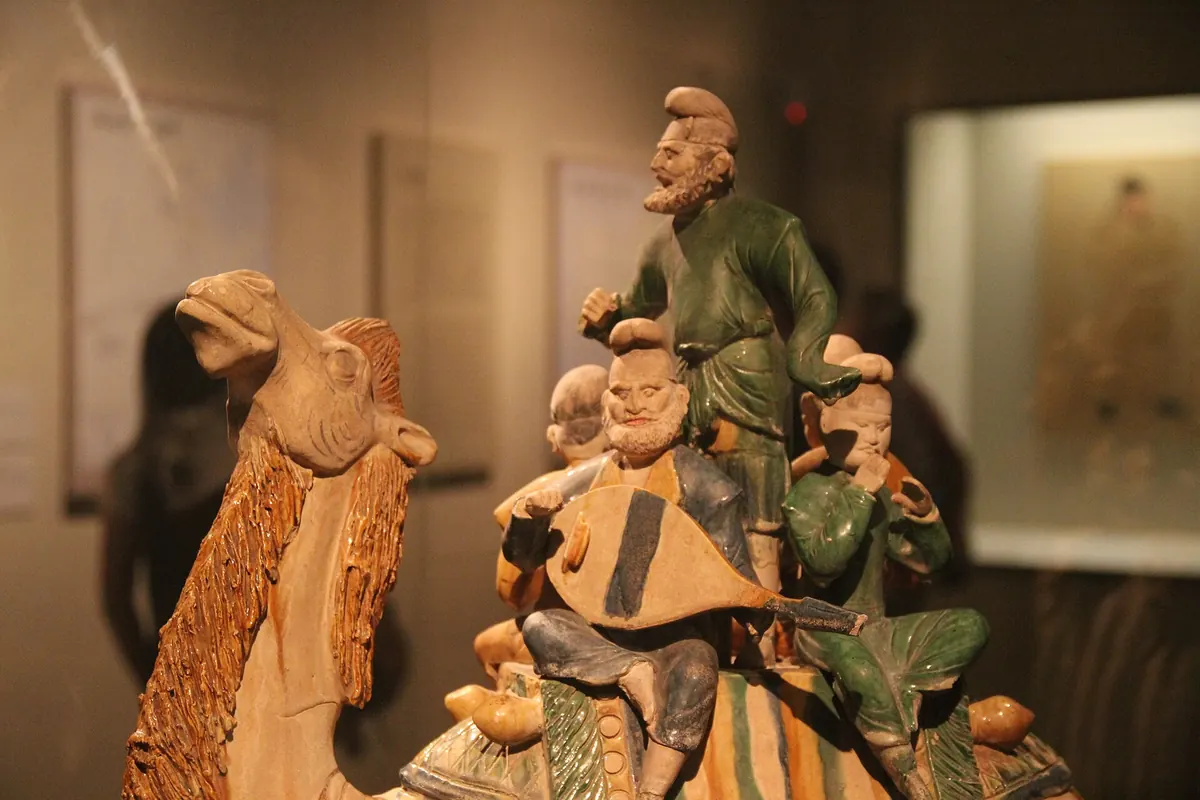
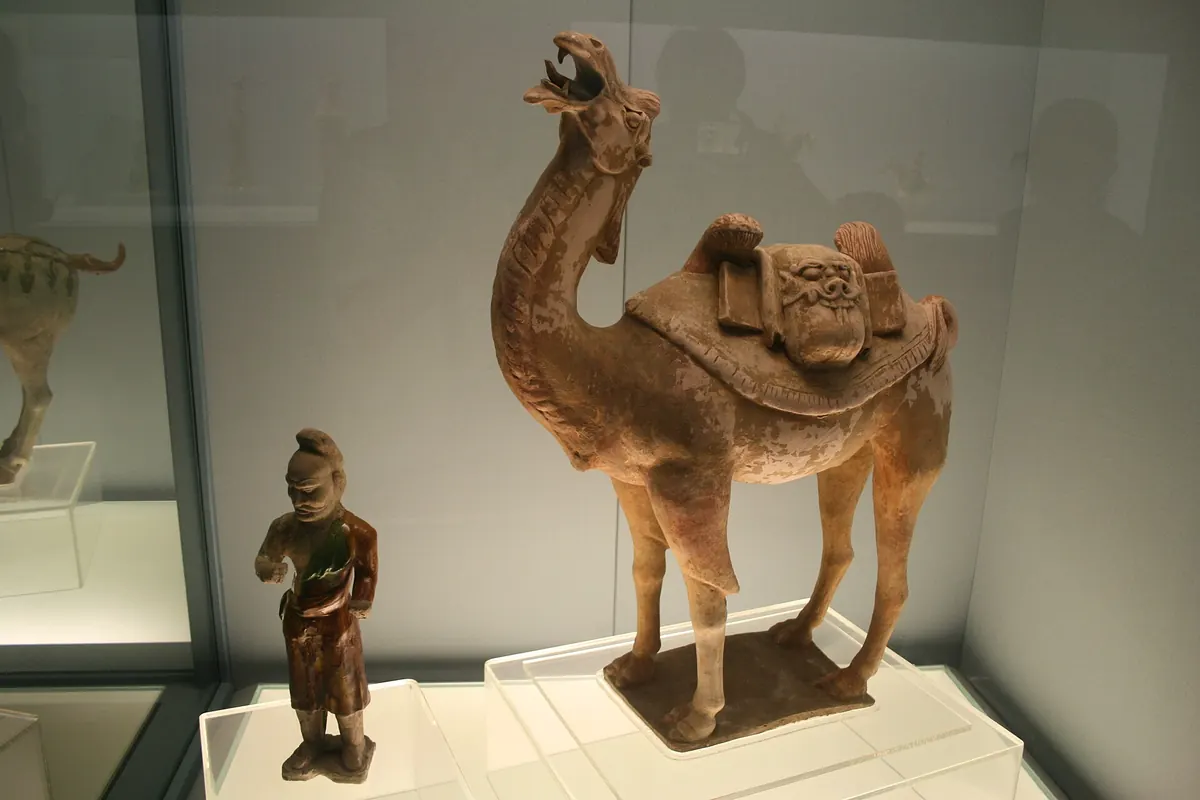
A sancai-glazed musicians-on-a-camel group in a museum case. The golden age
Tang Chang'an at its height
Wikipedia calls the Tang a high point of Chinese civilisation and a golden age of cosmopolitan culture, with a capital that was the most populous city in the world for much of the dynasty. Songs, dances and instruments from foreign regions became popular in China in this period.
-
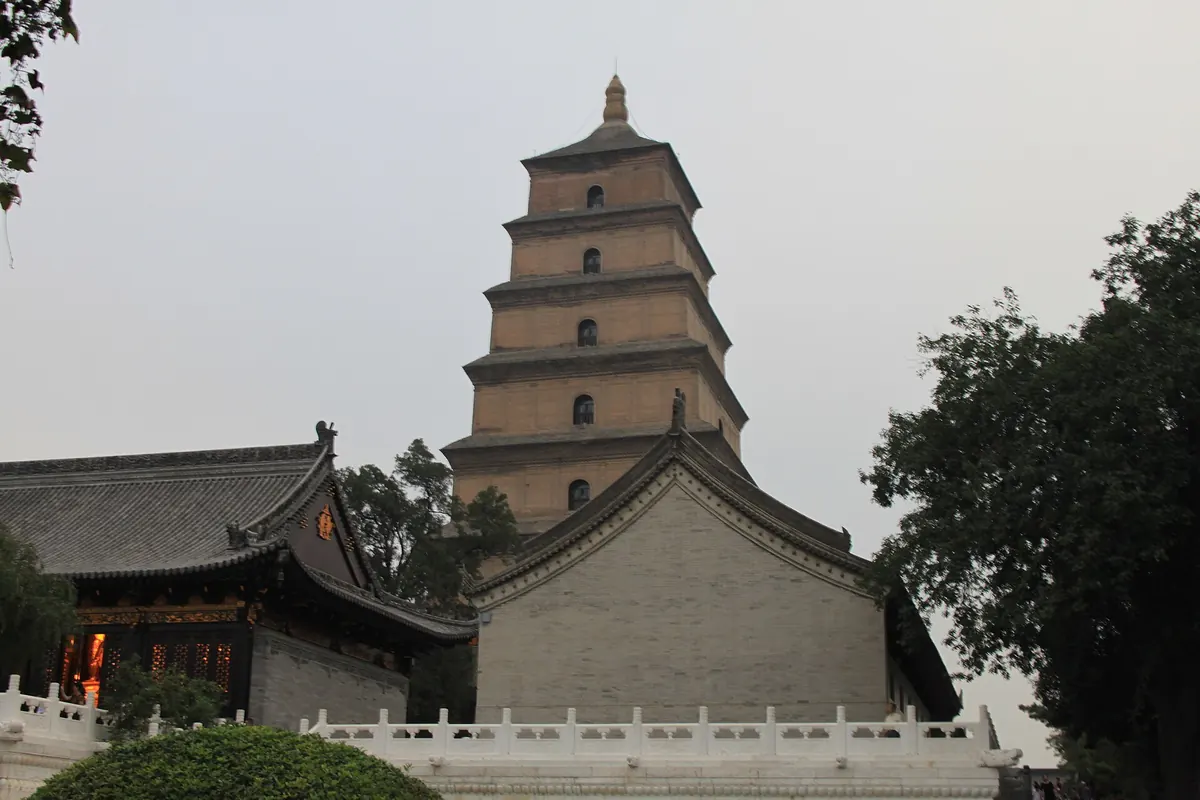
The Giant Wild Goose Pagoda, first built in 652. The monk
A pagoda for the scriptures
Wikipedia says the Giant Wild Goose Pagoda was first built in 652, in the Tang capital, under the monk and translator Xuanzang, to store Buddhist scriptures and images he brought from India. It was inscribed in 2014 as part of the UNESCO Silk Roads corridor.
The panels describe the road and the period, not the script of any evening. The booking page does not publish one.
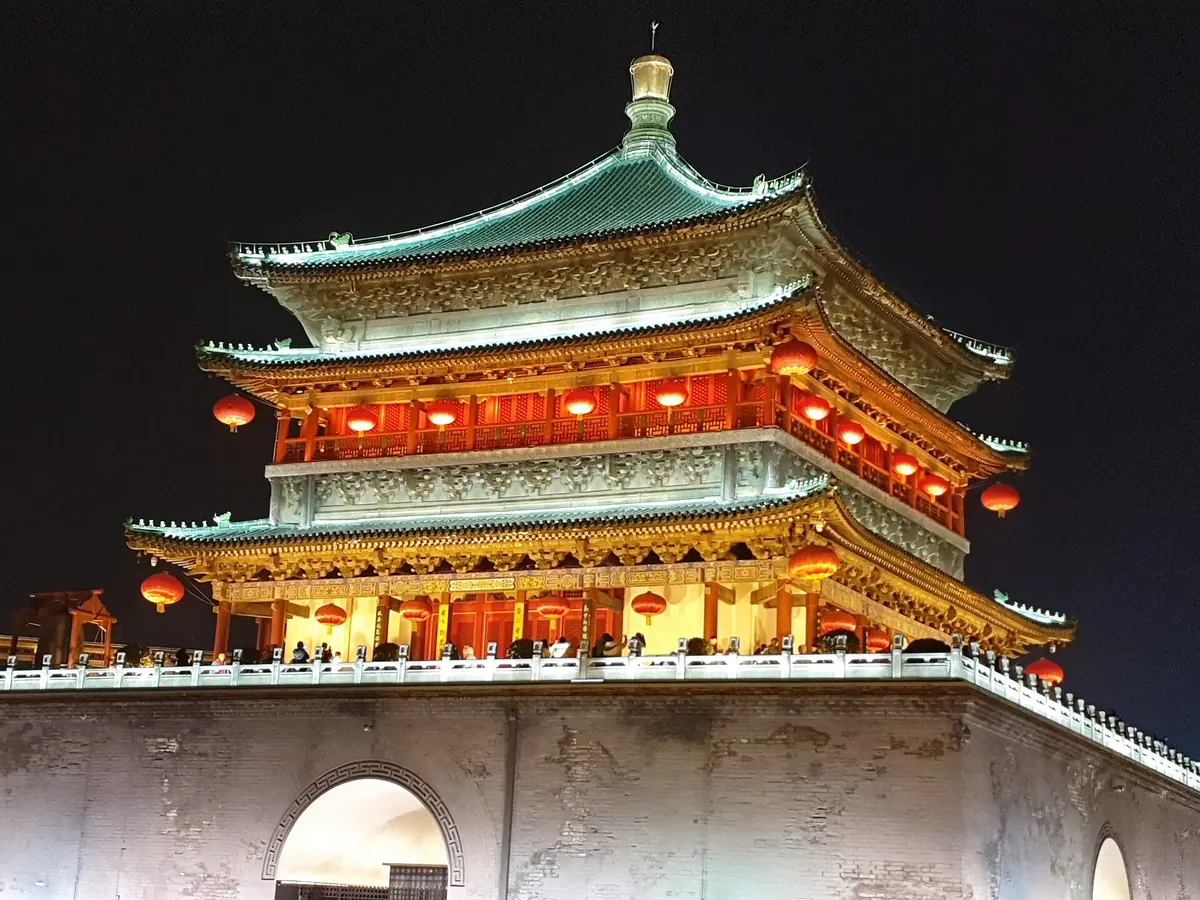
What the evening leans on
Four threads the evening draws on
What the booking page states
What the booking page says, line by line
Every line here comes from the booking page as read on 18 November 2026; where your confirmation differs, trust the confirmation.
Open booking page ↗Prices appear in the currency you pick on GetYourGuide, with the full total at checkout.
- The show
- A Silk Road-themed live show about the route's influence on China, full of Tang-dynasty culture and history.
- Language
- English captions for international audiences.
- Seats
- Zones are VIP, premier and regular. You choose the zone and the theatre assigns the seats, randomly, inside it.
- Car service
- Car pickup and drop-off options with a driver are offered.
- To book
- Passports and a hotel address are needed.
- Length
- Listed at one to three hours, so read the option you choose.
- From reviewers
- Reviewers mention live camels and trained wolves on stage.
Warriors by day, caravans by night
The Terracotta Army by day and the Camel Bell show by night: one Xi'an day?
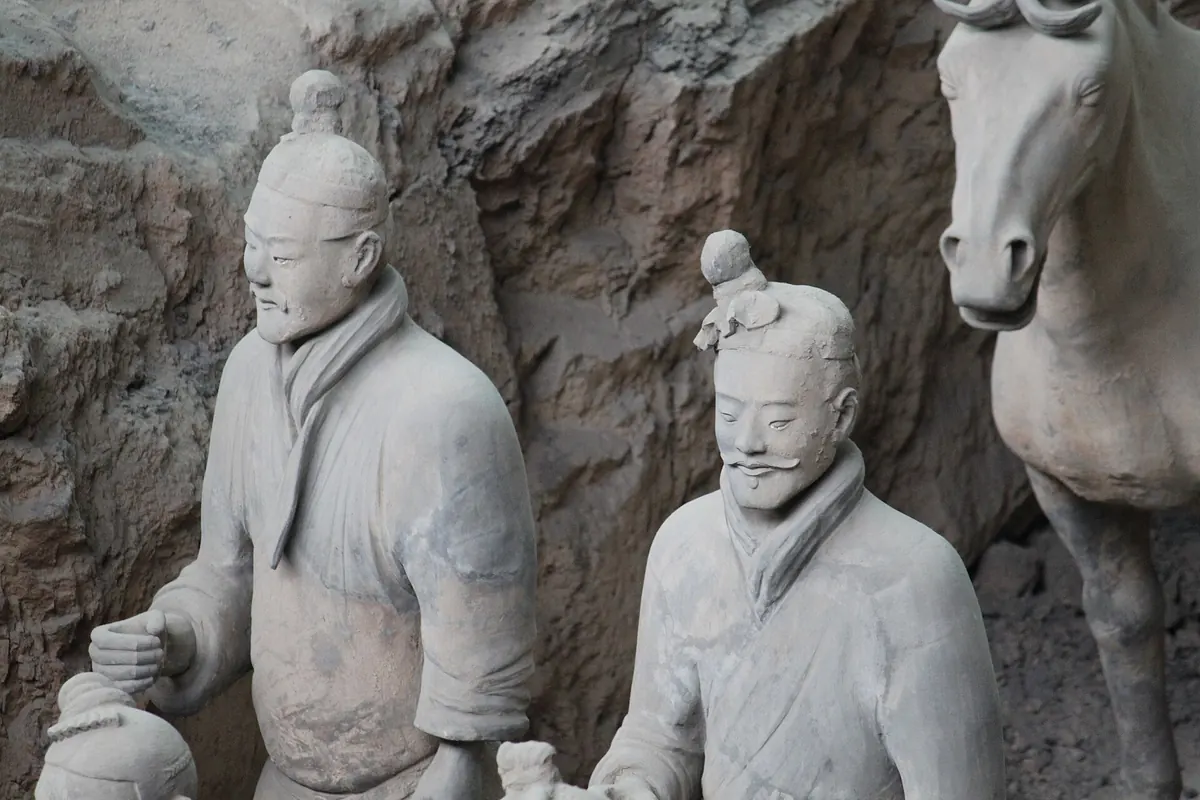
Book the show, or pick a Xi'an day
Other ways to spend a day in Xi'an
The show fills one evening. Three daytime options sit below it: the Terracotta Army as a small-group or private tour, an all-inclusive day with the city wall and a pagoda, and a plain entry ticket.
- Open booking page ↗
Legend of Camel Bell show ticket, with options
A live Silk Road show with Tang-dynasty culture and English captions. You choose a zone, and car pickup and drop-off options are offered.
- Open booking page ↗
Terracotta Army small-group or private tour
A guided visit to the Terracotta Army, offered as morning or afternoon small groups or as a private tour, with a fast-track ticket.
- Open booking page ↗
All-inclusive day: Terracotta Army, city wall, pagoda and lunch
One long day that adds the city wall, a pagoda and a family lunch in a village near the warriors.
- Open booking page ↗
Terracotta Army entry ticket
A ticket for independent visitors, where your passport serves as the entry pass and you set your own pace.
More to book around Xi'an
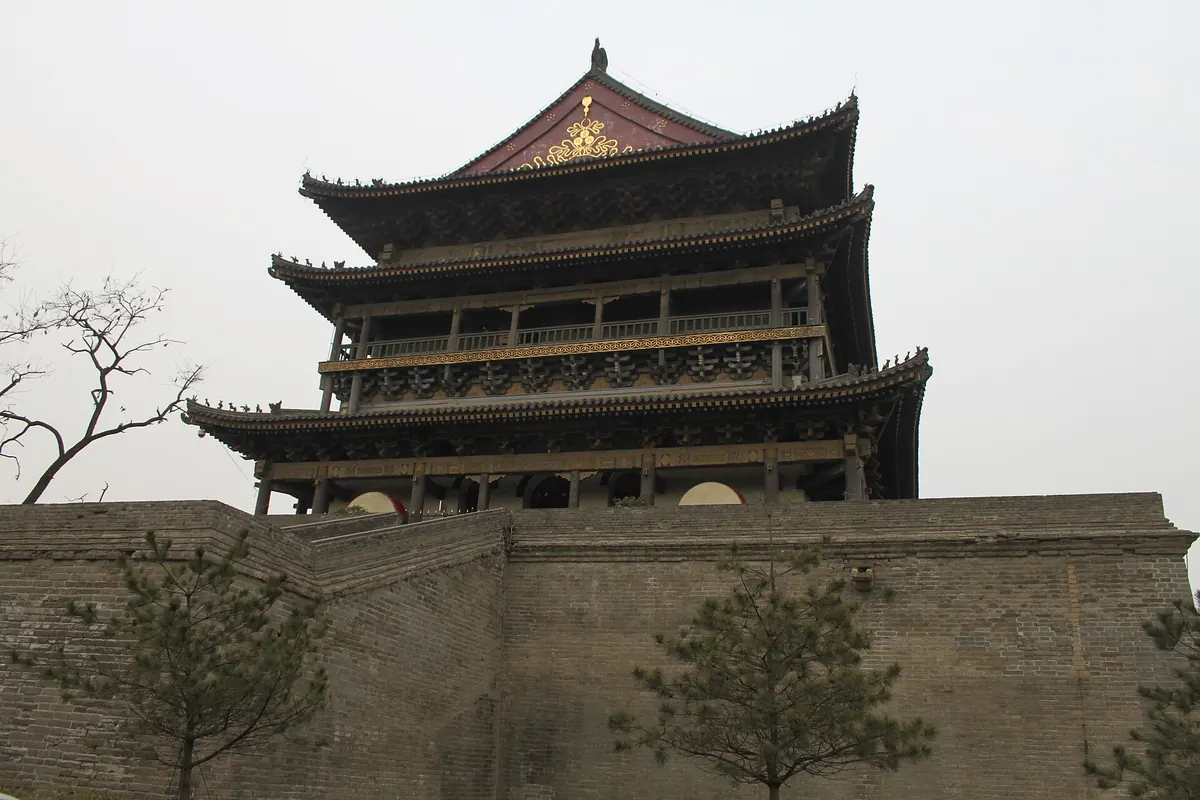
Before the evening
Four small jobs before the evening
Gather passports
The booking page asks for passports and a hotel address, so have both ready before you start.
Read your zone
Zones are VIP, premier and regular and the seat inside is random, so read what the booking page says for your date.
Weigh the range
The listing says one to three hours. Open your option for the exact figure before you plan dinner or the next morning.
Keep the confirmation
The meeting point for the car service and the timing for your date appear there, not in this guide.
Xi'an and the road, in photographs
Xi'an and the road, in photographs
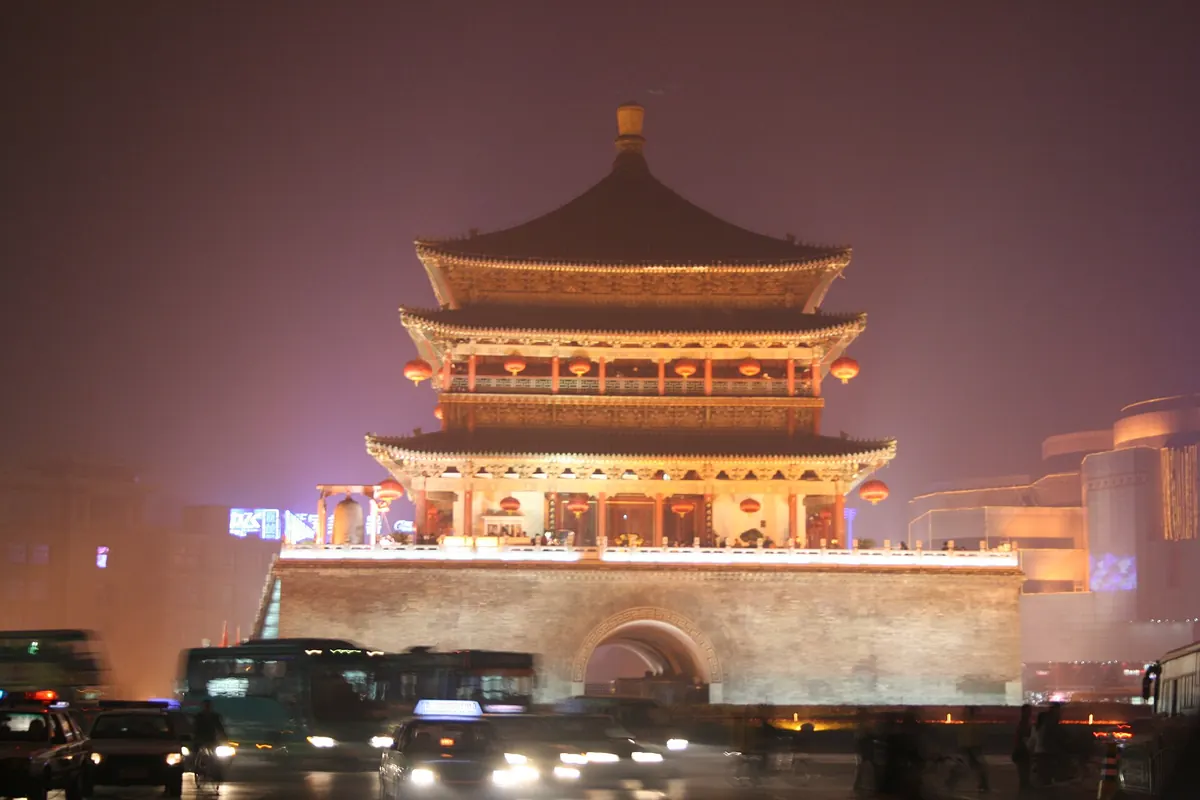
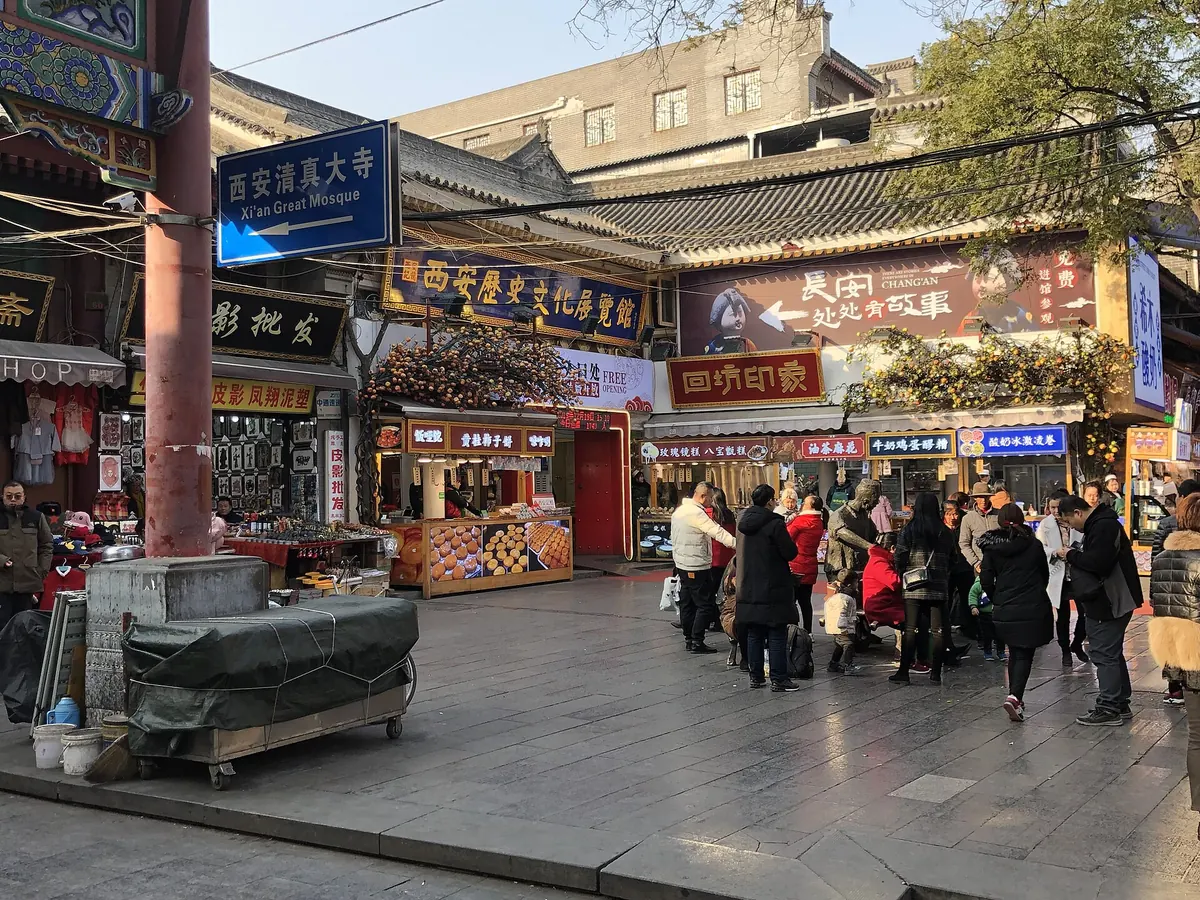
Wikimedia Commons photographs of camels, Tang-style figures and Xi'an landmarks. None shows your booking or the show.
Go deeper
Longer reads
- Start here Is the Legend of Camel Bell show in Xi'an worth it? A plain answer on a Silk Road stage show with English captions, zoned seats and reported live camels: what the booking page says, what reviewers mention and who should spend the evening elsewhere. Open guide →
- The comparison The Terracotta Army by day and the Camel Bell show by night: one Xi'an day? Two very different pieces of Xi'an history, one from the Qin dynasty and one about the Silk Road. How the booking pages frame each, how much time each asks for and how to combine them in a single day. Open guide →
- Before you pay Seat zones, passports and the car service: booking the Camel Bell show A practical read of what the booking page asks for and offers: how the three zones work, why passports and a hotel address are needed and what the car service option means. Open guide →
- The road Chang'an: the city where the Silk Road began How Xi'an, once called Chang'an, became the eastern end of the overland Silk Road: the envoy who opened the way west, the Sogdian merchants who carried the trade and the Tang capital at its height. Open guide →
- The animal The Bactrian camel: the animal that carried the Silk Road Two humps, thick winter wool and a talent for cold and dryness: what Wikipedia says about the camel behind the caravans, and why one belongs on a Silk Road stage. Open guide →
- The culture Tang dynasty Xi'an: music, poetry, the pipa and a pagoda The Tang culture a Silk Road show borrows from: what Wikipedia says about the dynasty's poetry, painting and court music, the foreign songs and dances that arrived on the road and the pagoda that Xuanzang's scriptures filled. Open guide →
FAQ
Quick answers
Is the Legend of Camel Bell show in Xi'an worth it?
For many visitors, yes. It holds a 4.9 from about 100 reviews and lists English captions, and the Silk Road story suits Xi'an. It is a smaller sample than the Terracotta Army tours, and seats are random inside a zone, so keep that in mind.
Are there really live camels on stage?
Reviewers on the booking page mention live camels and trained wolves on stage. The listing itself does not describe the animals, so treat this as reported by reviewers.
Can I choose my seat?
No. You choose a zone (VIP, premier or regular) and the theatre assigns seats randomly inside it, as the booking page states.
Is the show in English?
The booking page lists English captions for international audiences. Read the option for your date for the details.
What is the car service?
The booking page offers car pickup and drop-off options with a driver. This guide calls it a car service. Select it when you book and read the details in your confirmation.
What do I need to book?
Passports and a hotel address, according to the booking page.
How long is the evening?
It is listed at one to three hours. Open the option you choose for the figure that applies.
Can I cancel?
The booking page lists free cancellation. Read the exact terms for your option before you pay, since they are shown on the booking page and not on this guide.
Can I see the Terracotta Army and the show in one day?
Yes, with a short small-group tour and an evening show. The tour is listed at 2.5 to 8 hours, so check its finish time against the show's timing. The comparison guide goes through the plan.
Is this guide the seller?
Not at all. This is a separate, independent guide; the show, the theatre and the car service belong to others, and you book through GetYourGuide.