The comparison
The Terracotta Army by day and the Camel Bell show by night: one Xi'an day?
Two very different pieces of Xi'an history, one from the Qin dynasty and one about the Silk Road. How the booking pages frame each, how much time each asks for and how to combine them in a single day.
Pick my zone ↗Quick answer
They pair well, and you can do both in one day if you choose a short small-group tour and a show that starts late enough. The warriors tour is listed at 2.5 to 8 hours depending on the option, and the show at one to three. If you have to pick only one, pick the warriors for the sight itself and the show for the story of the Silk Road.
Day and night side by side
| Terracotta Army tour | Camel Bell show | |
|---|---|---|
| What it is | Small-group or private tour of the Terracotta Army | Live Silk Road show with Tang-dynasty culture and English captions |
| Time of day | Morning or afternoon small-group options, plus a private option | Evening, with your date shown on the booking page |
| Length on the booking page | 2.5 to 8 hours | One to three hours |
| Score | 4.9 from about 1,800 reviews | 4.9 from about 100 reviews |
| Languages | Guides in English, Spanish, French, German or Italian | English captions on screen |
| Era | Qin dynasty, late third century BCE | The Silk Road and the Tang dynasty, a later chapter |
| Book | Fast-track ticket arranged in advance | A zone, not a seat; passports and hotel address |
The one-line verdict
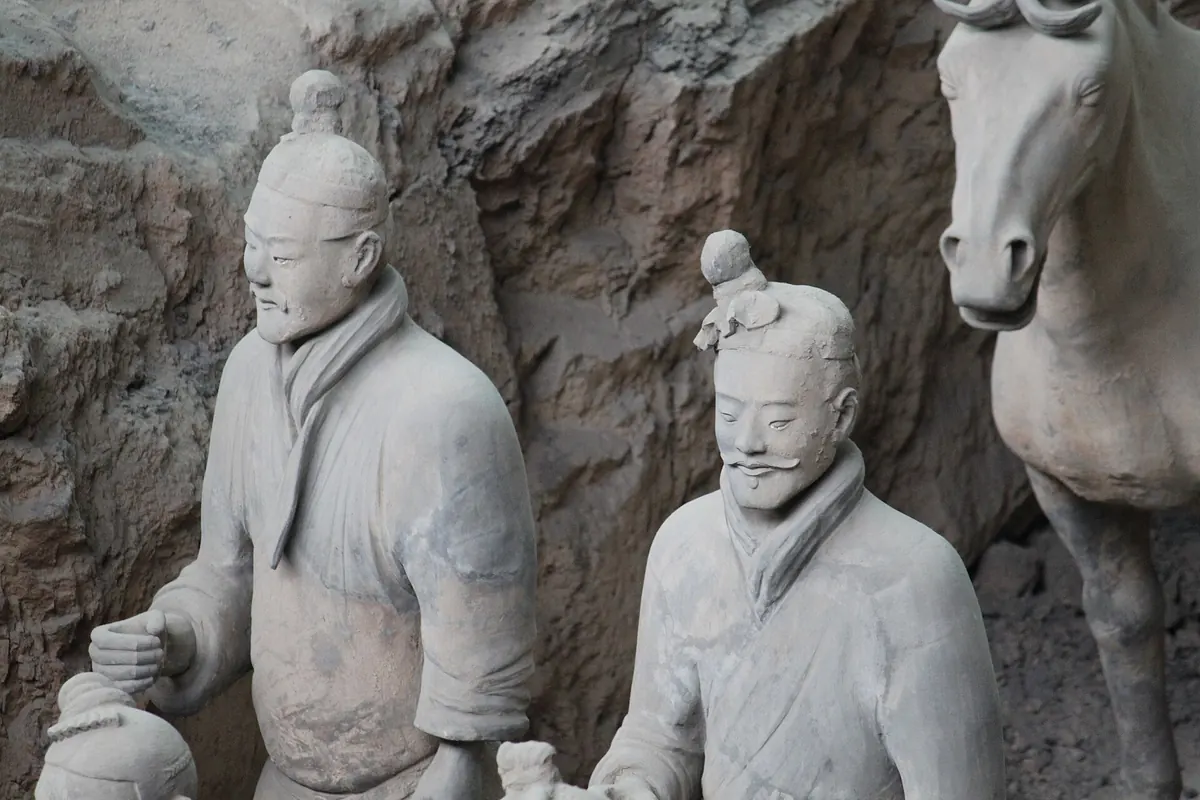
The Terracotta Army and the Camel Bell show answer different questions. The warriors answer what the first emperor of China wanted to take with him to the afterlife. The show answers how a road of trade made China part of a wider world, and what that looked like in the Tang dynasty. They sit in different centuries, in different parts of the Xi'an area and at different times of day, so they are partners more than rivals. That is good news for a short trip, because you do not have to pick. The practical limit is time: a long tour leaves little room for an evening show, while a short small-group tour leaves plenty. If only one can fit, choose the Terracotta Army for the sight and the show for the story.
The Terracotta Army by day, as the booking page frames it
The booking page for the small-group or private tour describes morning or afternoon small-group tours and a bespoke private option with no factory stops and no tourist-trap lunch stops. It lists a length of 2.5 to 8 hours, guides in English, Spanish, French, German or Italian, and a fast-track ticket booked in advance. Its 4.9 from about 1,800 reviews is a large base and a strong result. The wide range of lengths is the detail that affects the plan: an option at the short end and an option at the long end are two different kinds of day, and the booking page for each option shows which one you are buying. Because the tour covers a site outside the city, allow for the return journey in whatever finish time you use.
What the Terracotta Army is
Wikipedia describes the Terracotta Army as a collection of terracotta sculptures depicting the armies of Qin Shi Huang, the first emperor of China, buried with him in 210 to 209 BCE in his mausoleum to protect him in the afterlife. Farmers digging a well discovered the figures on 29 March 1974 in Lintong County, outside Xi'an. Estimates from 2007 were that the three pits hold more than 8,000 soldiers, 130 chariots with 520 horses and 150 cavalry horses, most still in place. Other pits have yielded non-military figures, including administrators, acrobats, strongmen and musicians. Wikipedia also notes that the historian Sima Qian's account of the mausoleum has been given some credence by high levels of mercury found in the soil of the tomb mound. All of that is the context a tour fills in for you. None of it depends on the day you go, which is why it is safe to read before you book.
The Camel Bell show by night
The show is the other half of the day. The booking page calls it a Silk Road-themed live show about the route's influence on China, full of Tang-dynasty culture and history, with English captions. Tickets are by zone (VIP, premier or regular) with seats assigned at random by the theatre, car pickup and drop-off options with a driver are offered, and passports and a hotel address are needed to book. It scores 4.9 from about 100 reviews. Reviewers mention live camels and trained wolves on stage. The first guide here covers the show in full, so this section keeps to what matters for the pairing: it is an evening commitment of one to three hours as the booking page gives it, and it does not require a lot of stamina, because you sit.
Two different slices of Xi'an's past
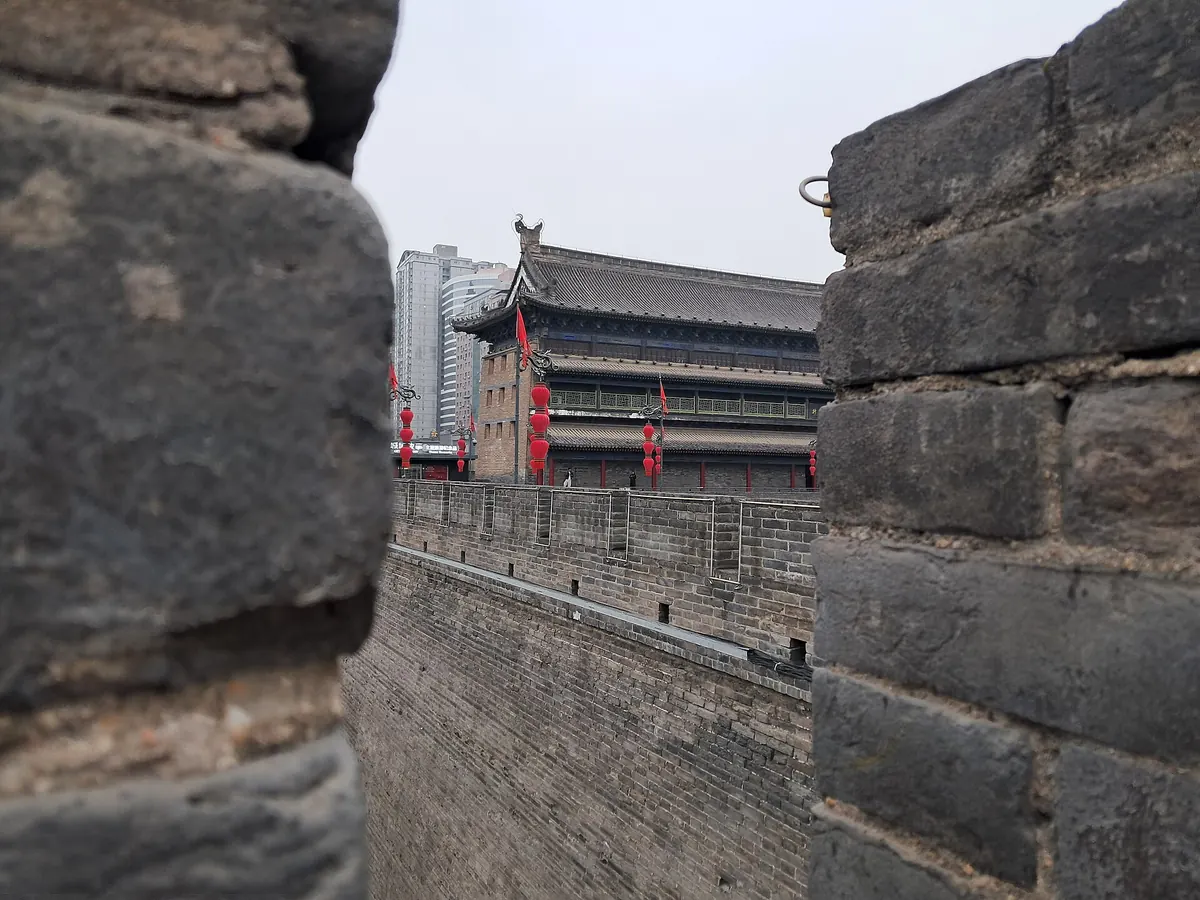
It helps to know that the two experiences belong to different periods. The Qin emperor was buried in 210 to 209 BCE. Wikipedia places the start of the Silk Road network in the expansion of the Han dynasty into Central Asia around 114 BCE, after the Qin had been replaced, and Chang'an then became the capital of several dynasties, including the Western Han and the Tang, between 202 BC and 907 AD. So the warriors come before the road, and the show is about the road. Seen together, they tell a long story of the same region: first a unified empire built in the third century BCE, then the trade that connected that empire to the rest of Eurasia.
Fitting both into one day
Start from the finish time, not the start. Open the tour page for the option you prefer and note the length it gives, then open the show page and note the range it gives and the time of your date. Add whatever gap you need to eat and rest, and add the transfer between the two. A short small-group tour followed by a late afternoon break and an evening show is realistic. A tour at the long end of its range followed by a show is a very full day, and the second half will feel it. If the day looks too tight, put the two on different days, which the booking pages allow, since each is dated separately. No distances or drive times appear in this guide, because neither booking page states them, so rely on the times shown on your confirmations.
The other ways to see the warriors
The Terracotta Army tour is not the only booking for the site. The wider listings include an entry ticket for independent travellers, scored 4.8 from about 355 reviews, which describes the passport as your direct entry pass, and an all-inclusive day tour that combines the Terracotta Army, the city wall and a pagoda with a family lunch in a village, scored 4.9 from about 626 reviews. Those two change the day you plan around the show. The entry ticket leaves the timing in your hands and suits people who do not want a guide. The all-inclusive day fills most of a day, so it leaves less room for an evening show but covers more of Xi'an in one go. The three listings are linked in the cards further down this page, so you can open each one and read the details before you choose.
If you can only choose one
Choose by what you came for. If the sight of the buried army is the reason you are in Xi'an, take the Terracotta Army and treat the show as a bonus if the schedule allows. If you have already seen the warriors, or you have little interest in archaeology, the show gives you something different and a seat in the evening. With younger children who tire easily, give the long tour a day to itself and keep the show for another. For someone who would rather not watch live animals on a stage, the warriors are the simpler pick. Whichever you pick, read the confirmation carefully, because the specifics of each booking, such as zones, meeting points and times, live there and nowhere else.
Frequently asked questions
Can I do the Terracotta Army and the Camel Bell show on the same day?
Yes, if you choose a short small-group tour and a show that starts late enough. The tour runs 2.5 to 8 hours and the show one to three hours on their booking pages, so check the finish time of one against the start of the other.
If I can only fit in one, which?
Book the Terracotta Army for the sight, and the show for the Silk Road story. They are different kinds of experience, not substitutes.
Is the Terracotta Army inside the city?
No. Wikipedia places it in Lintong County, outside Xi'an.
Do I need a tour for the Terracotta Army?
Not necessarily. The wider listings include an entry ticket for independent visitors and tours with guides in several languages.
Sources