Start here
Is the Legend of Camel Bell show in Xi'an worth it?
A plain answer on a Silk Road stage show with English captions, zoned seats and reported live camels: what the booking page says, what reviewers mention and who should spend the evening elsewhere.
Pick my zone ↗Quick answer
Yes, if you want one evening of Silk Road and Tang-dynasty storytelling in the city where that road began, and you are happy to pick a seating zone rather than a seat. It holds a 4.9 from about 100 reviews on the booking page, lists English captions, and reviewers mention live camels and trained wolves on stage. Skip it if you need a promised running order, or if your one free evening is better used on something else in Xi'an.
The evening at a glance
| Legend of Camel Bell show | |
|---|---|
| Format | A live show on the Silk Road and its influence on China, full of Tang-dynasty culture and history |
| Language | English captions for international audiences |
| Seats | You choose a zone (VIP, premier or regular); the theatre assigns seats at random inside it |
| Transfers | Car pickup and drop-off options with a driver, listed as options on the booking page |
| Needed to book | Passports and a hotel address |
| Length | Listed at one to three hours, so read the option you pick |
| Score | 4.9 on GetYourGuide from about 100 reviews |
| On stage | Reviewers mention live camels and trained wolves |
| Best for | Visitors who want the Silk Road story told as theatre in Xi'an |
| Not for | Anyone who needs a fixed seat or a published running order |
The short answer, then the reasons
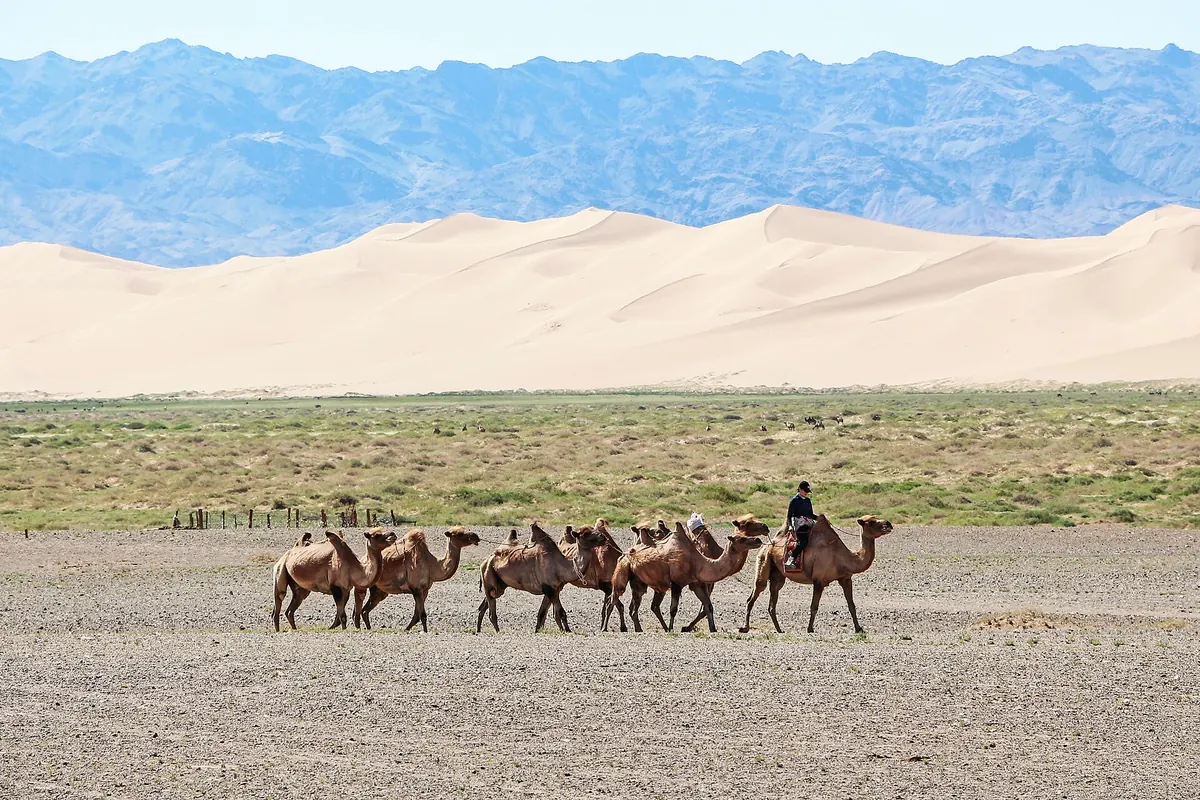
The Legend of Camel Bell is a theatre show built around one idea: the Silk Road, and what it did to China. For a visitor to Xi'an that idea has an unusual advantage, because the city was once called Chang'an and Wikipedia describes it as the cosmopolitan eastern terminus of the overland Silk Road. A show about the road is therefore a show about the place you are standing in. That gives it a better claim on your evening than a generic dance night would have. It also explains the score. The booking page rates it 4.9 from about 100 reviews, which is excellent, though a hundred reviews is a small base, so take it as encouraging rather than conclusive. If the idea appeals, the answer is yes. If you would rather see something that has been reviewed by thousands, the Terracotta Army by day is the safer anchor for a Xi'an trip, and the comparison guide puts the two together.
What the booking page says
The listing describes a Silk Road-themed live show that shows the route's influence on China. It calls the content full of Tang-dynasty culture and history and says English captions are provided for international audiences. That last line matters if you do not read Chinese, because it means the story is meant to be followed by an overseas audience and not only felt. Tickets are sold by zone: VIP, premier and regular. The booking page states that you choose the zone while the theatre assigns the seats, and that the assignment inside a zone is random. Car pickup and drop-off options with a driver are offered, which this guide calls a car service. To book, you need passports and a hotel address. The length appears as a range from one to three hours, which most likely reflects the different options, so open the option for your date before building the rest of the evening around it. Nothing on the booking page lists a running order, a cast or a set of scenes, and this guide does not invent one.
What reviewers mention
Reviewers on the booking page mention live camels and trained wolves on stage. Those two animals are the detail travellers repeat, and they are attributed here to reviewers, not to the seller, so treat them as reported rather than guaranteed. That is worth weighing. Some visitors enjoy live animals on a stage and others would rather not see them. Neither view is wrong, and the listing gives no count of animals, nor what they do or for how long. The other point worth noting is the sample size. A score of 4.9 from about 100 reviews says that the people who booked were pleased. It does not tell you how the show compares with others in the city, because there is no second show in this guide to compare it with. The newest reviews carry the freshest impressions, since a live production changes over a season.
Why the Silk Road story fits Xi'an
Wikipedia traces the Silk Road network to the expansion of the Han dynasty into Central Asia around 114 BCE, through the missions of the imperial envoy Zhang Qian, who entered the Han capital of Chang'an and was sent west in 138 BC. The same article describes Chinese silk as widely sought in Rome, Egypt and Greece by the first century CE, with horses, camels, honey, wine and gold among the goods that travelled the other way. The Tang dynasty, which ruled from 618 to 907, is described by historians as a high point of Chinese civilisation and a golden age of cosmopolitan culture, and its capital at Chang'an was the most populous city in the world for much of the dynasty. So the two ideas in the listing, the Silk Road and Tang culture, point at the same city and the same centuries. That is why a Xi'an show can talk about the road without sounding borrowed. It also means you can check what you see against real history afterwards, in the city wall, the pagoda and the museum cases.
Live camels, and why they belong in this story
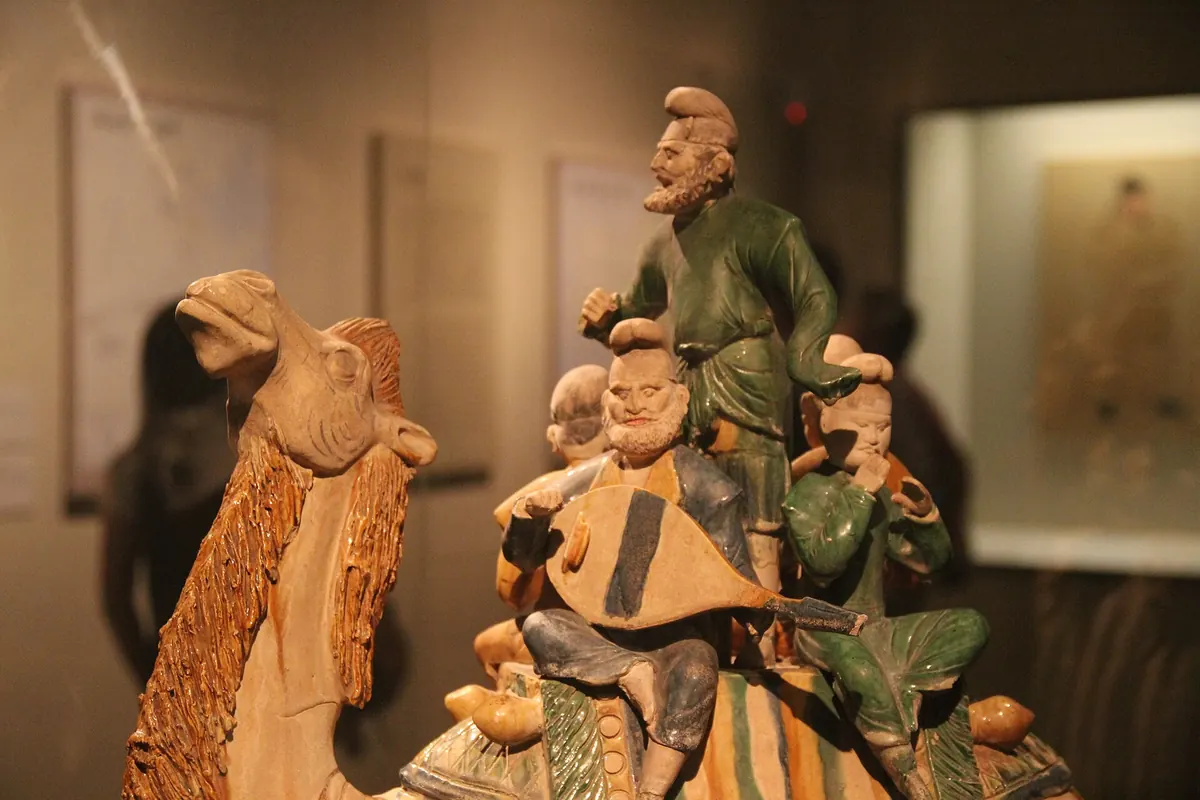
The camel is the right animal for a show about the Silk Road. Wikipedia says the domesticated Bactrian camel has served as a pack animal in inner Asia since ancient times and that its tolerance for cold, drought and high altitude enabled caravans on the Silk Road. Camels also appear in Tang-style art: Wikimedia Commons holds photographs of glazed camel figures, some carrying musicians, in museum cases. A stage show that brings camels into the picture is therefore drawing on something real, whatever else it chooses to dramatise. The booking page does not say which camels or how many, and this guide does not either. If the camels matter to your decision, read the recent reviews for what travellers saw, and keep in mind that live animals are subject to weather, health and the theatre's own judgment on any given night.
Choosing a zone when you cannot choose a seat
The seat rule is the part of the booking page worth reading twice. You pick VIP, premier or regular, and the theatre then assigns the seats within your zone at random. In practice that means the zone name is the only lever you have. The names suggest a ranking, but the booking page does not describe sight lines for each zone, so this guide will not tell you which row is best. The booking page also does not say whether a party is seated together inside a zone, so check the notes in your confirmation if you are booking for a group that must sit as one. If a member of your party needs particular seating, such as someone with limited mobility, contact the seller through GetYourGuide before you pay rather than assuming.
Who should skip it
Skip the show if you want a fixed seat number, because it does not offer one. Skip it if you want a published running order, a named cast or a precise length, because the booking page offers none of these. Skip it if live animals on a stage are something you would rather avoid. Skip it if your single free evening in Xi'an is one you would rather leave open. And think twice if your plans for the next morning are early, since the range on the booking page reaches three hours. None of these counts against the show. They are reasons the show is not for everyone, which is simply how any evening out should be described.
How to book it well
Pick your date first, then the zone, then decide whether the car service suits your evening or whether you would rather make your own way. Have the passport details for everyone in the party ready, because the booking page asks for them, along with a hotel address. Keep the confirmation email, since that is where the meeting point and the timing for your date will appear. Do not rely on a screenshot of this guide for anything practical: the confirmation is the document that matters. Finally, decide before you pay what you will do with the rest of the day, because the show is an evening and the Terracotta Army is a daytime visit, and the two share one city but not one afternoon unless you plan them together.
Frequently asked questions
Does the Legend of Camel Bell show have English captions?
Yes. The booking page says English captions are provided for international audiences.
Can I choose my seat?
No. You choose a zone (VIP, premier or regular) and the theatre assigns seats at random inside it, as the booking page states.
Are there really live camels?
Reviewers on the booking page mention live camels and trained wolves on stage. The listing itself does not describe the animals, so treat that as reported by reviewers.
Is there a car service?
The booking page offers car pickup and drop-off options with a driver. Check the option you select for what it includes.
What do I need to give when booking?
Passports and a hotel address, according to the booking page.
Sources